The Truth About Blue Light: Friend or Foe?
If you’re reading this, there’s a high chance that blue light is blasting straight into your eyes.
Light isn’t just brightness; it’s energy, and different wavelengths affect your body in different ways.
What Is Blue Light?
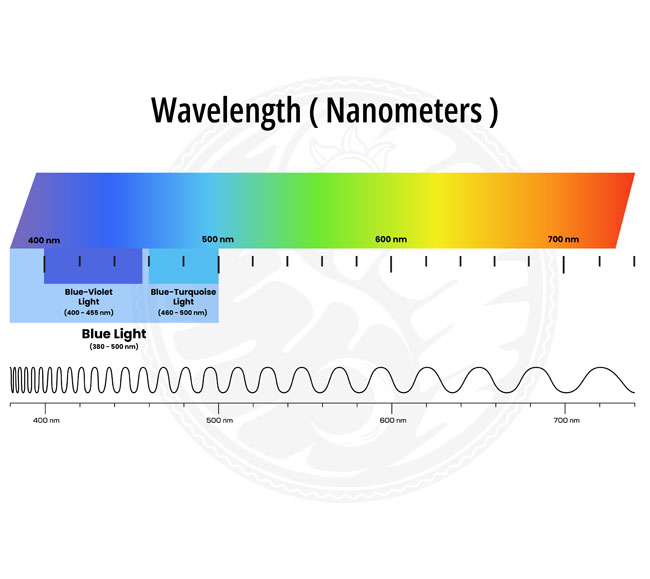
The blue light of the visible light spectrum (visible light) is just one portion of the total visible spectrum. Blue light is found between 400-500 nm of the visible spectrum; this makes blue light the shortest wavelength of visible light (the highest energy). Blue light is the most "stimulating" portion of the visible spectrum.
In nature, blue light is part of sun light and also has many other wavelengths (red and infrared) that provide an overall softening effect to the blue light and generally keep the biological responses to the blue light in check.
However, the indoor lighting is quite a bit different.
Almost all LED's and displays emit large amounts of blue light but do not have the same amount of red and infrared as they would when exposed to the sun. This is why indoor light seems so much more stimulating and unnatural to the body than sunlight does.
Sunlight vs Artificial Blue Light
What’s the Real Difference?

The sun gives you the full spectrum. Blue, red, infrared, and everything in between. Yes, sunlight has blue light, but it is always paired with plenty of red and infrared. The blue keeps you awake. The red and infrared help your cells recover and keep your system balanced. Nature built the mix on purpose.
Artificial light did not.Most indoor LEDs and screens are basically blue light machines with a little white tint on top. Almost no red. No infrared. No natural balance. It is like getting the “wake up” signal without any of the “calm down” support.
Imagine taking espresso shots all day with no water. That is what artificial light does to your biology. It pushes. It stimulates. It never lets up.
Sunlight Spectrum Chart
- Sunlight is the good stuff
When you walk outside, you are getting a smooth mix of every wavelength your body actually understands. Nothing too harsh, nothing missing. Just a balanced, natural spread of light that feels right. - There is always red and infrared in the mix
The sun never forgets these longer wavelengths. They support your cells, help your system recharge, and keep your daily rhythm steady. Your body expects this kind of light every day. - Blue light, but not crazy amounts
Yes, the sun has blue light. That is what wakes you up. But it is balanced with red and infrared, so it never feels sharp or overwhelming. The blue does its job without frying your eyes or stressing your system.

Standard LED Spectrum Chart

- That big blue spike? That’s the problem.
Most LEDs hit you with a huge burst of blue light around 450 nm. It is intense, unbalanced, and your brain reads it as “daytime” no matter what the clock says. Not great when you are trying to relax. - And notice what’s missing.
There is basically no red or infrared in LED light. None of the softer wavelengths your body is used to getting from the sun. It is like the calming parts of the spectrum have been deleted. - Harsh light your body doesn’t vibe with.
Your biology expects a full mix of wavelengths. LEDs don’t deliver that. They hit you with the wrong kind of light, at the wrong intensity, at the wrong time, and your body ends up thinking it is daytime all night long.
The Morning Sunrise
The Body's Built-In Wake Up Time
Our bodies have an internal clock, which operates within a 24 hour cycle. Light is what primarily regulates this internal clock; therefore, when you are exposed to natural sunlight in the morning the blue light in the sun will send a clear signal to your brain that it is time to awake.
This initial morning exposure does much more than we can imagine. This exposure establishes our sleep schedule; boosts our mood via the release of serotonin; and allows our hormones (cortisol & melatonin) to function properly. Exposure to morning sunlight also improves our daily energy and metabolic processes.

To put it simply
Morning sunlight is nature's way of turning on the “day” part of our internal clock as it was intended.

What determines that one type of light is different than another?
There are three basic factors: wavelength, frequency, and energy. No matter if you're looking at red, blue, etc., each type of light differs based on how "stretched" or how "crammed" the wave is, as well as its total amount of energy.
Blue light has way more energy (up to 60%) than does red light, which is the primary reason for your brain's response, potential disruption of your sleep, and biological responses throughout the day. Blue light is not merely light, it is a biological "on/off" switch.
Skip your morning light?
You might feel groggy all day and have trouble falling asleep at night.
Why Modern Life Creates Problems of Artificial Blue Light
We have disrupted nature, through use of artificial blue light that surrounds us – long after sunset. Our bodies are tricked into thinking it is daylight. This disrupts the melatonin release process required for sleep. In contrast, sunlight has both blue light and red/infrared light. The artificial light we now have (LEDs, fluorescents) has no red light; only blue light, thereby disrupting our natural processes and causing harm from an imbalance of blue light.

Messing With Sleep
Blue light at night blocks melatonin, making it harder to fall asleep and reducing deep sleep quality.

Wreaking Havoc on Metabolism
Exposure to artificial blue light at night has been linked to insulin resistance, weight gain, and even an increased risk of diabetes.

Eye Damage & Strain
Prolonged exposure contributes to macular degeneration, cataracts, and retina damage.
And here’s the kicker
Your eyes aren’t the only problem. Your skin also detects blue light, meaning even if you wear blue-blocking glasses, your body still “sees” the artificial light in your environment.
How We Tackle Blue Light Overload
We can’t avoid all artificial blue light, but we can make smarter choices to limit its impact.
1. Adjust Your Indoor Light Environment
Modern indoor lighting lacks the full spectrum of natural light—especially red light. That’s a problem.
Our red and amber lights restore balance, creating a healthier lighting environment, day or night.

Amber Lights
A warm, softer alternative—zero blue light but less intense than red.
Great for cozy environments where pure red isn’t preferred
Red Lights
Use any time of day—complements missing red light in modern environments.
Ideal for evening use—the most melatonin-friendly artificial light source.
Best for relaxation, recovery, and eye comfort.
2. Save Your Eyes
When using artificial light, blue light blocking glasses can be an option. Use orange lens glasses during the day while viewing screens and use red lens glasses at night when you need to do what is best for your circadian rhythms.
While you may not have the ability to manage the lighting that you are exposed to (workplaces, grocery stores, restaurants, travel), blue light blocking glasses will serve as your first line of defense against the blue light that bombards your eyes every day.
A simple means of helping to maintain your eye health and help your natural rhythm remain on track.

3. Worship the Sun
First thing in the morning, take a few minutes to get some fresh air, open your eyes to see the early sun rise over the horizon and feel it on your skin. There’s no better way to send your body the message – “we are now awake”.
Your goal should be to maximize exposure to sunlight throughout the day; avoid missing the sunset. These two times (sunrise and sunset) serve as anchor points to help keep your body's internal clock (circadian rhythm), much calmer and more regulated.
You Don't Have to Live In the Dark After Sunset
But you do have to find ways to limit how much exposure you are getting to blue light after sunset — as much as possible.
Indoors, change how you light your home and work space to eliminate the need for blue blocking glasses at night by using warm, non-blue light emitting fixtures, or lamps and bulbs that promote sleep and health. If you cannot control your indoor environment (work, restaurant, screen time) then be prepared with a pair of good quality blue blocking glasses.
Turn on the Red Light and Tame the Blue; Give Your Body the Light It Needs.
Don’t just take our word for it
Take a look at these studies: